Description:
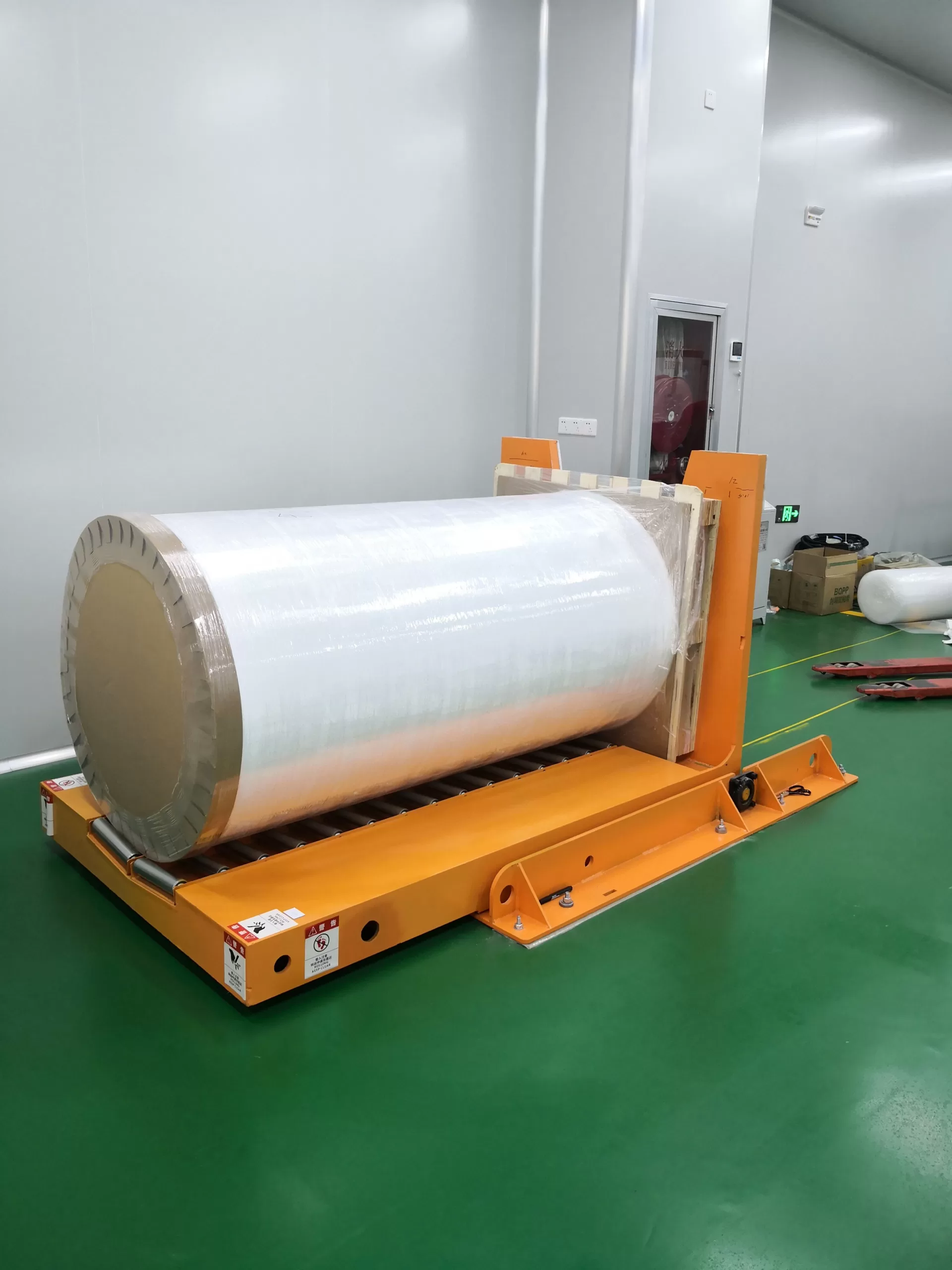
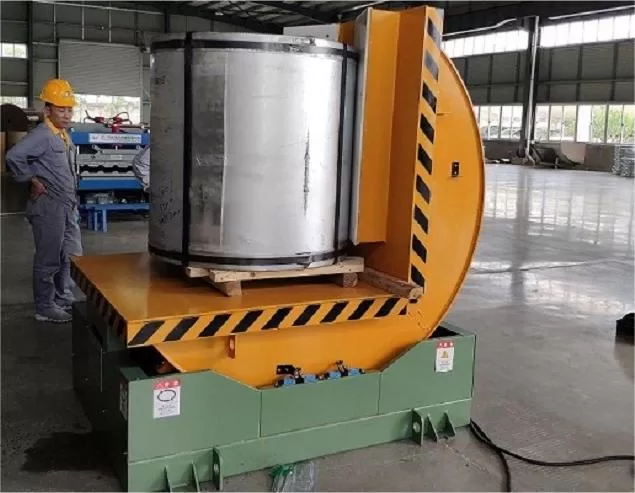
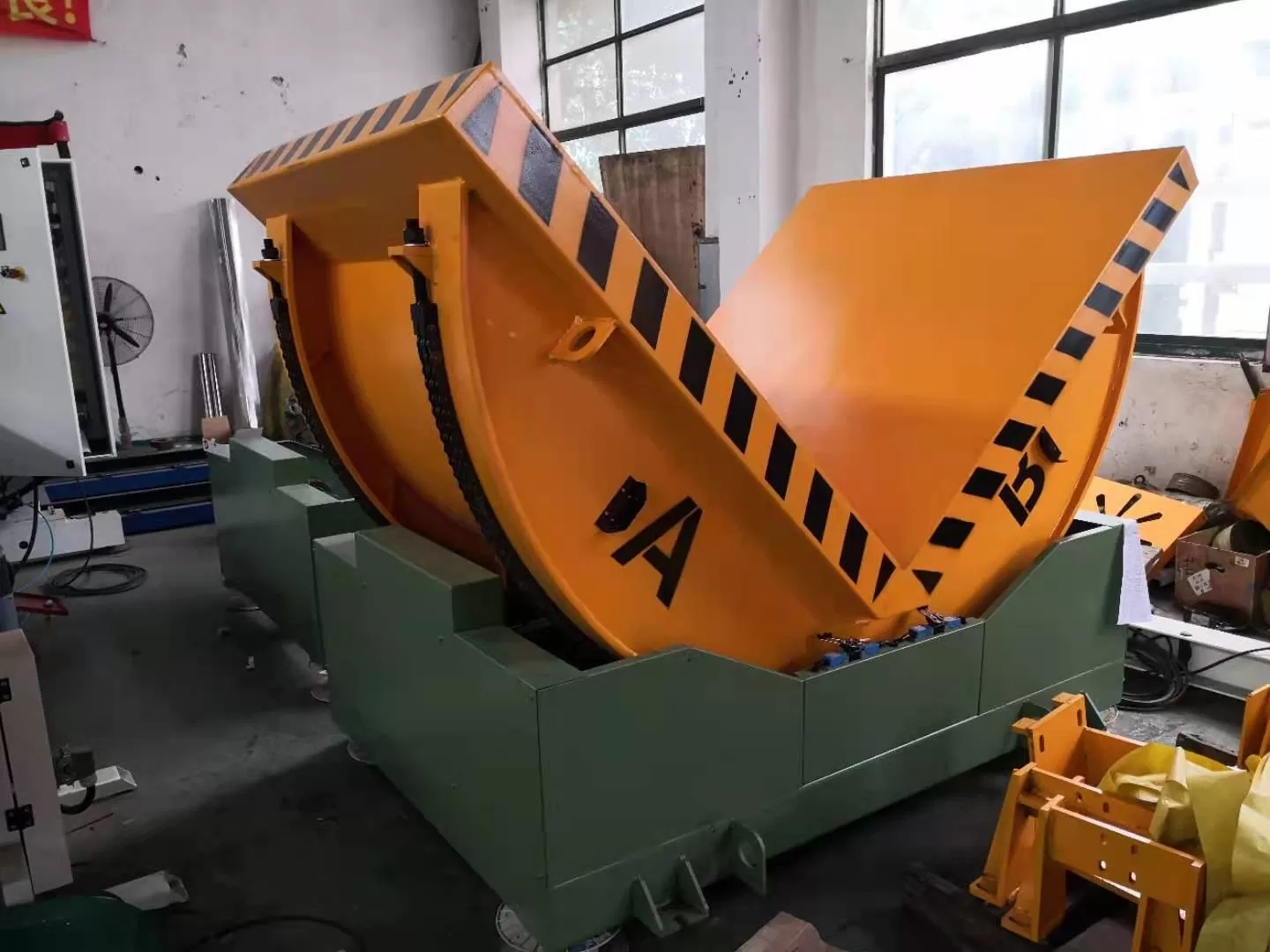
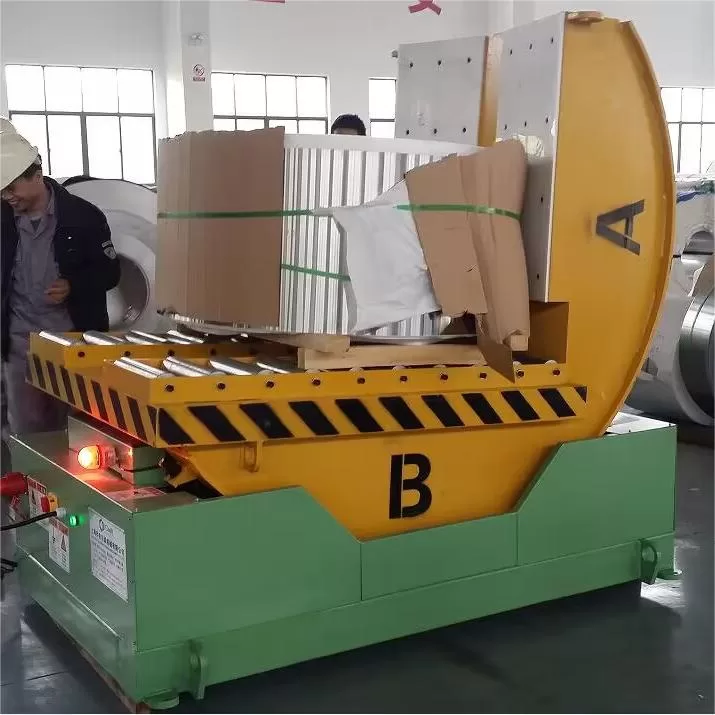
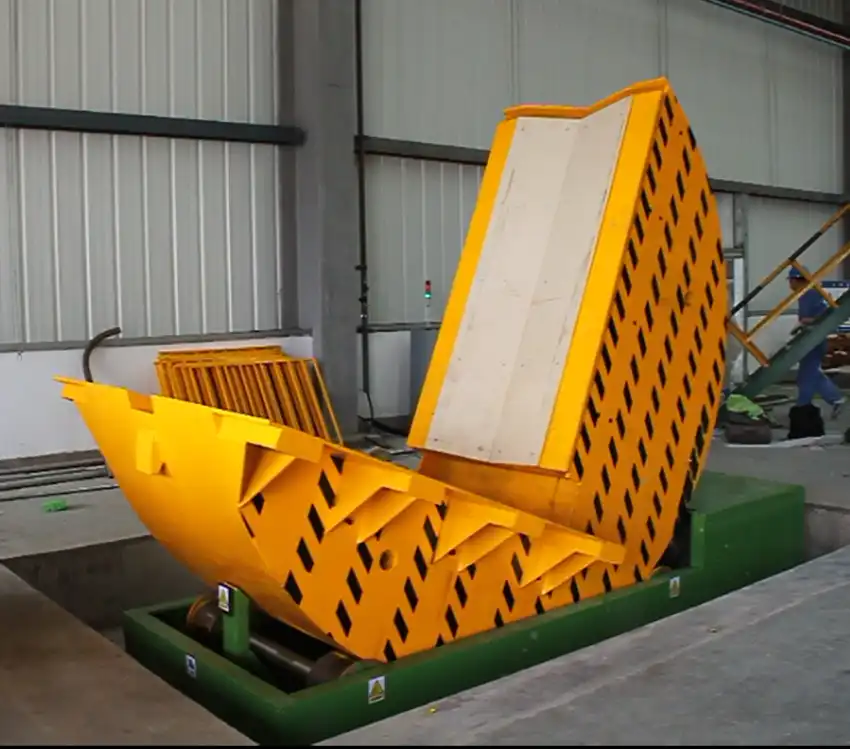
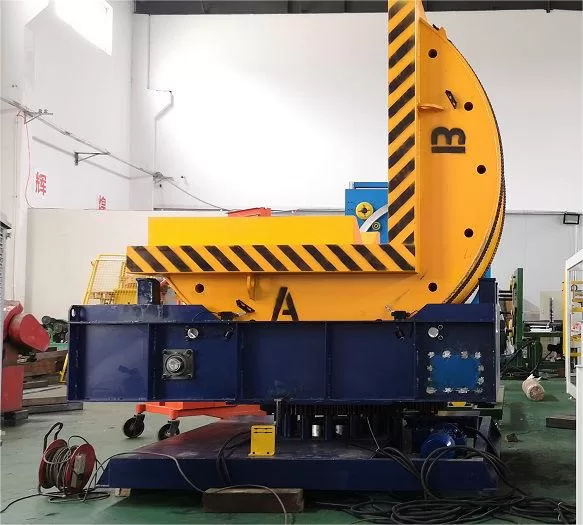
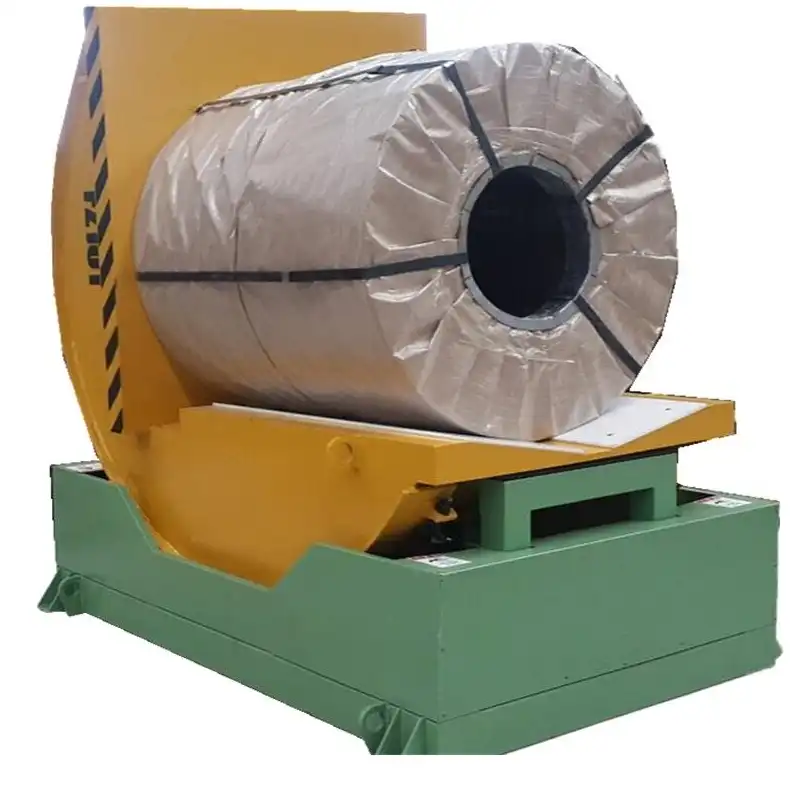
Mechanical Upenders Manufacturers develop and supply specialized machinery known as mechanical upenders, which are engineered to handle the rotation and precise positioning of heavy industrial loads. These devices are indispensable in sectors such as manufacturing, metallurgy, and logistics, where they improve safety and efficiency by facilitating the vertical or horizontal reorientation of bulky items. The mechanical upenders are robust, built with high-quality materials, and equipped with safety features to prevent accidents during operation. With customizable options to fit specific production requirements, these manufacturers offer solutions that greatly enhance workflow, reduce labor costs, and increase the overall productivity of facilities.
Specifications:
-
Primary Use: Safe and efficient rotation of heavy and bulky industrial loads
-
Load Capacity: Varies; typically from 1 ton to over 50 tons
-
Operation Type: Mechanical leverage or gear-driven systems
-
Control Mechanism: Manual or semi-automatic controls
-
Rotation Range: Up to 90 degrees standard; custom angles available upon request
Applicable industry:
- Light rail tracks, predominantly used in urban and suburban transit systems, are constructed from high-quality, durable steel that can withstand various weather elements and the continual stress of daily operations. These tracks usually conform to the international standard gauge of 1435mm, although specific dimensions like outer diameter, width, and thickness may vary based on service requirements and geographical constraints. The robust construction of these tracks minimizes wear and extends their lifespan, while precise engineering ensures smooth, consistent rides for passengers. Moreover, the tailored track dimensions efficiently manage noise and vibrations, thus enhancing the urban transit experience and reducing the impact on adjacent residential zones.
- Handling large concrete beams effectively is another key function of the upender in bridge construction. Designed to manage loads ranging from 25 to 75 tons and beam lengths of up to 35 meters, these beams usually possess a width of up to 3 meters and a thickness between 30 and 70 cm. By facilitating the rotation of these beams from horizontal transport to vertical installation, the upender not only safeguards worker safety by reducing physical exertion but also ensures optimal positioning and alignment during the installation process. This precise handling is critical for maintaining structural integrity and proper load distribution, thereby enhancing construction efficiency and reducing both time and costs.
- In road construction, the Pavement Slab Upender is crucial for managing and positioning large, prefabricated concrete pavement slabs that are fundamental to rapid roadway development. These slabs, typically weighing between 2 to 5 tons and measuring up to 5 meters in length and 3 meters in width with a thickness of about 15 to 30 cm, are lifted and rotated from their horizontal transport mode into a vertical installation stance by the upender. This process not only speeds up the placement of slabs but also significantly boosts on-site safety by minimizing manual handling, ensuring that these substantial slabs are quickly and accurately installed, contributing to a smoother road surface and expedited project completion.
Main Features:
- Construction Material: High-strength steel or industrial-grade alloys
- Safety Features: Equipped with safety locks, emergency shutdown capabilities, and mechanical overload protection
- Power Source: Mechanically operated; no electrical power required for basic models, optional powered features may vary
- Surface Treatment: Powder coating or paint for corrosion resistance and durability
-
Installation Type: Stationary with optional mobility features such as caster wheels or mounting on rails