Automating a Steel Service Center? Start With Order Families
Service-center automation fails when it's designed around the exceptional order. This guide shows how to group mixed coil orders into families, find the real constraint worth automating first, and make packaging rules usable at the point of work.
How to Automate a Service Center With Mixed Coil Orders
How to Automate a Service Center With Mixed Coil Orders
A steel service center is not a mill. It processes smaller orders, frequent changes, and different customer packaging rules. Automation fails when it is designed around the exceptional order or when every unusual requirement is treated as a separate machine.
This guide helps service-center owners, operations, production, and IT teams decide what to automate first on an automatic coil packing line and which exceptions to keep under human control.
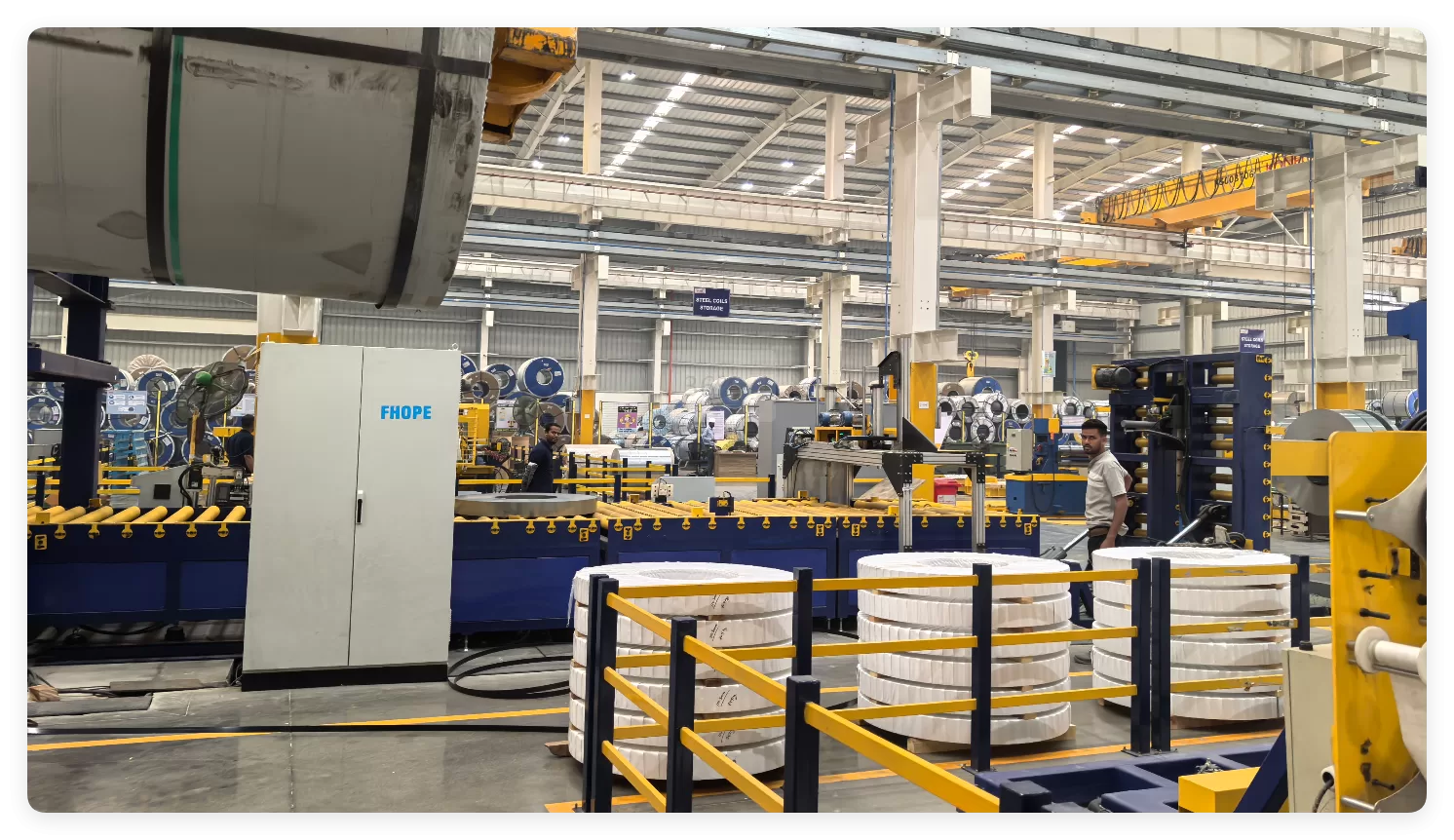
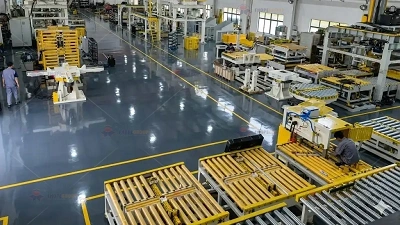
The image shows a steel service center coil packaging automation context. The automation decision starts with order families and packaging rules, not with the machine name.
Start with Order Families, Not Machine Names
Group recent orders by the factors that change the packaging decision: coil dimensions and orientation, surface condition, protection requirement, packaging materials, label rule, source process, shipment route, order frequency, and exception rate.
| Order factor | What it changes |
|---|---|
| Coil dimensions and orientation | Handling, wrapping, and stacking |
| Surface condition | Approved contact material and protection |
| Protection requirement | Material recipe and layer sequence |
| Label rule | Label template and data fields |
| Order frequency and exception rate | Automation priority |
The goal is not a perfect taxonomy. It is to separate a stable, repeatable family from work that needs a different rule, an approval, or a manual route.
Map the Order from Release to Shipment
Follow one representative order through source process, buffer, packaging, inspection, weighing, labeling, staging, and dispatch. Record where coils wait, where information is re-entered, where ownership changes, and where a delayed order disrupts the next one.
The most useful finding may not be at the wrapper. It can be an unclear release state, a missing label field, a blocked downstream area, or a product family with no approved packaging rule.

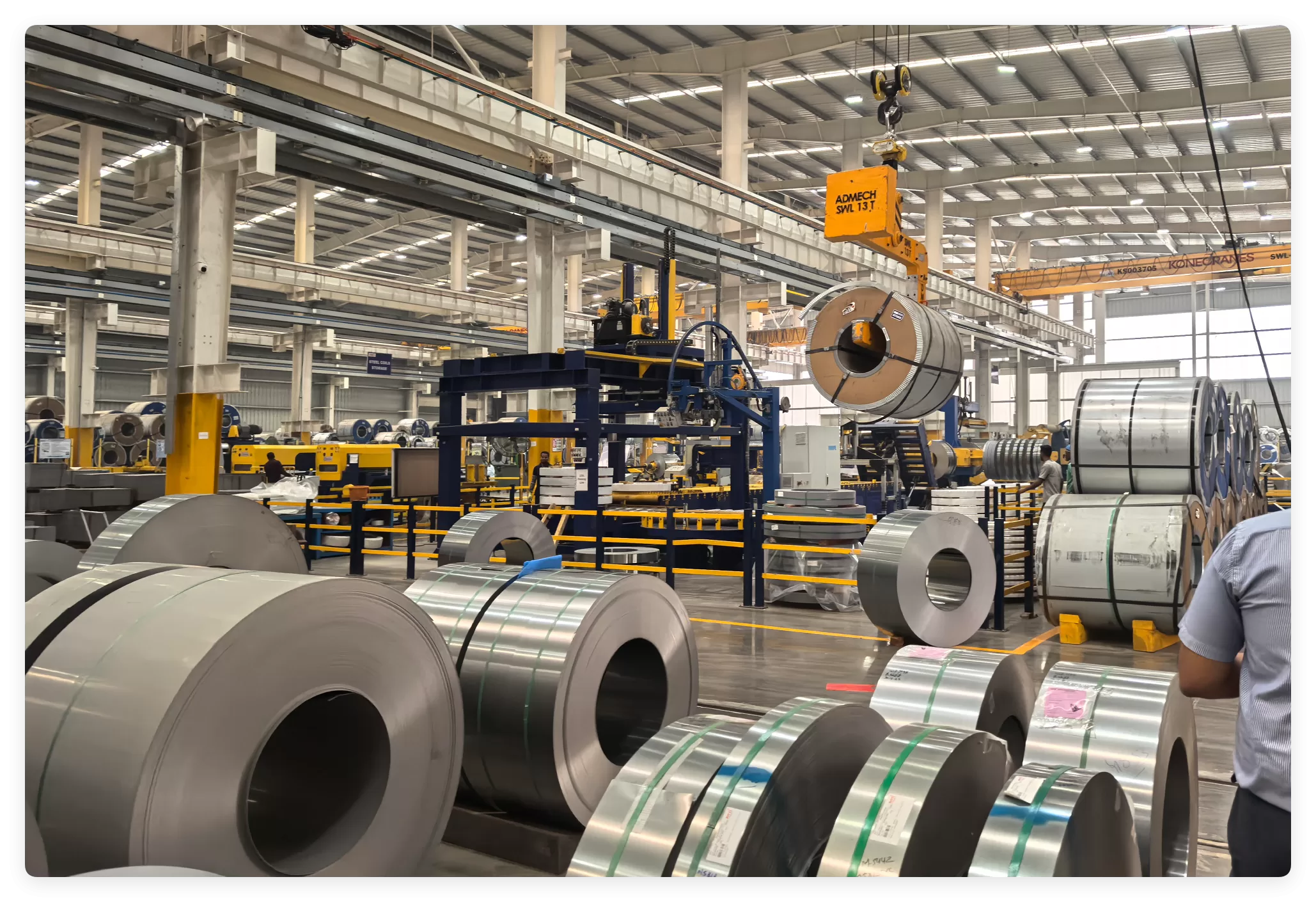
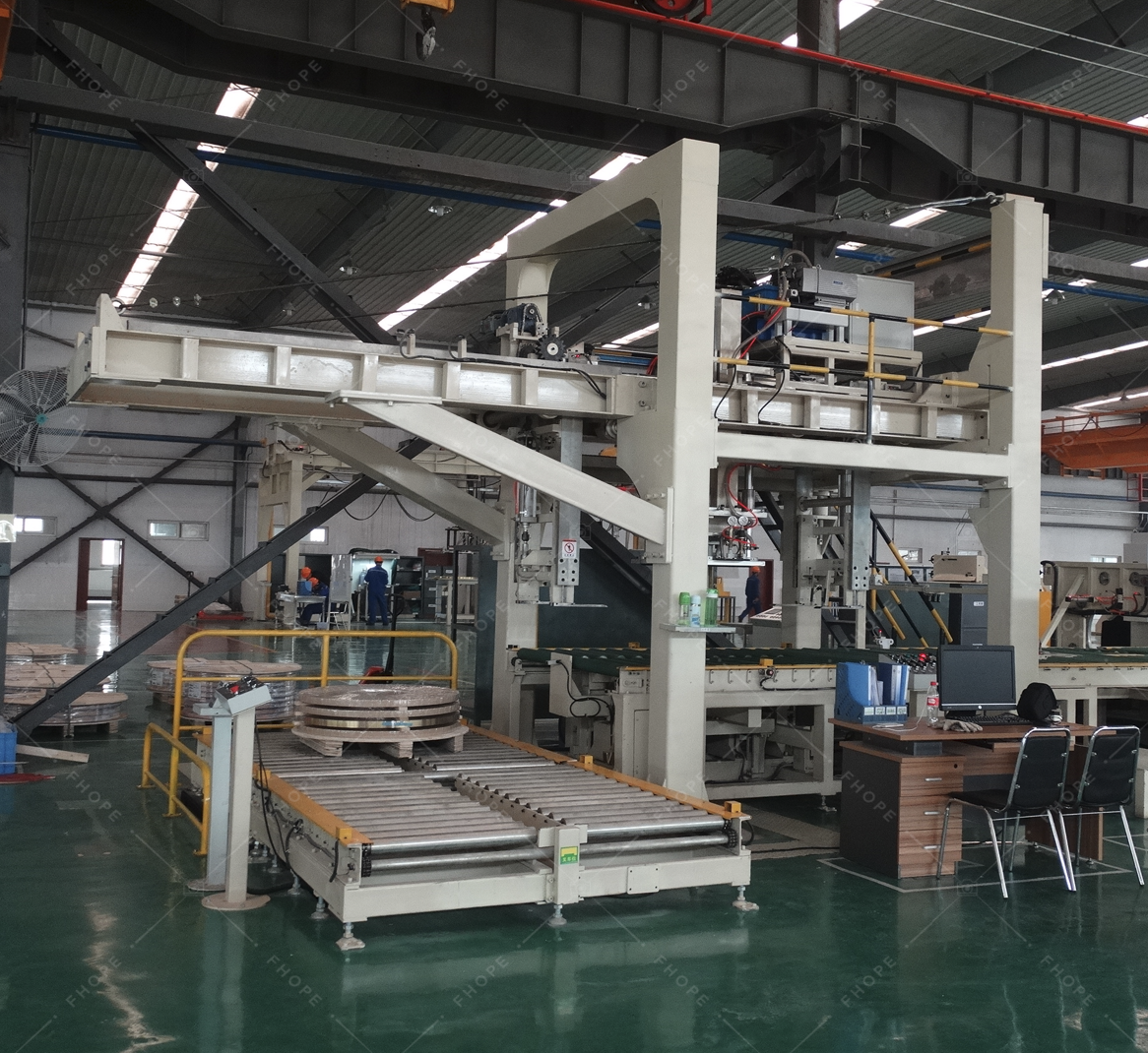
The image shows a design review scene where normal path, abnormal path, machines, and support zones are considered in one view. The service center should use the same method for mixed orders: the normal order family and the exception route are designed together.
Automate the Measured Constraint
Choose the first scope from a real constraint: repeated handling, recipe inconsistency, label errors, buffer management, or a handoff between departments. A wrapping cell, an assisted transfer, or a partial integration can all be valid starts.
Compare each option against the stability of the product family, floor space, replenishment capability, maintenance skills, and the route for an order that cannot continue normally.
Make Packaging Rules Usable at the Point of Work
For a standard family, connect the coil identity to the order rule, packaging recipe, material requirement, label template, inspection evidence, and release state. Give every field an owner and define what happens when a record is missing.
The practical test is simple: can an operator, planner, or quality reviewer tell which rule applies, who may change it, and how an exception is closed?
Keep Changeover and Surface Protection Controlled
Different surfaces and customer requirements can require different approved contact materials and protection steps. Keep those decisions visible in the product-family rule rather than replacing them with a generic "premium packaging" claim.
A useful changeover record captures the selected rule, setup and material changes, label change, first-article confirmation, and the cause of any delay.
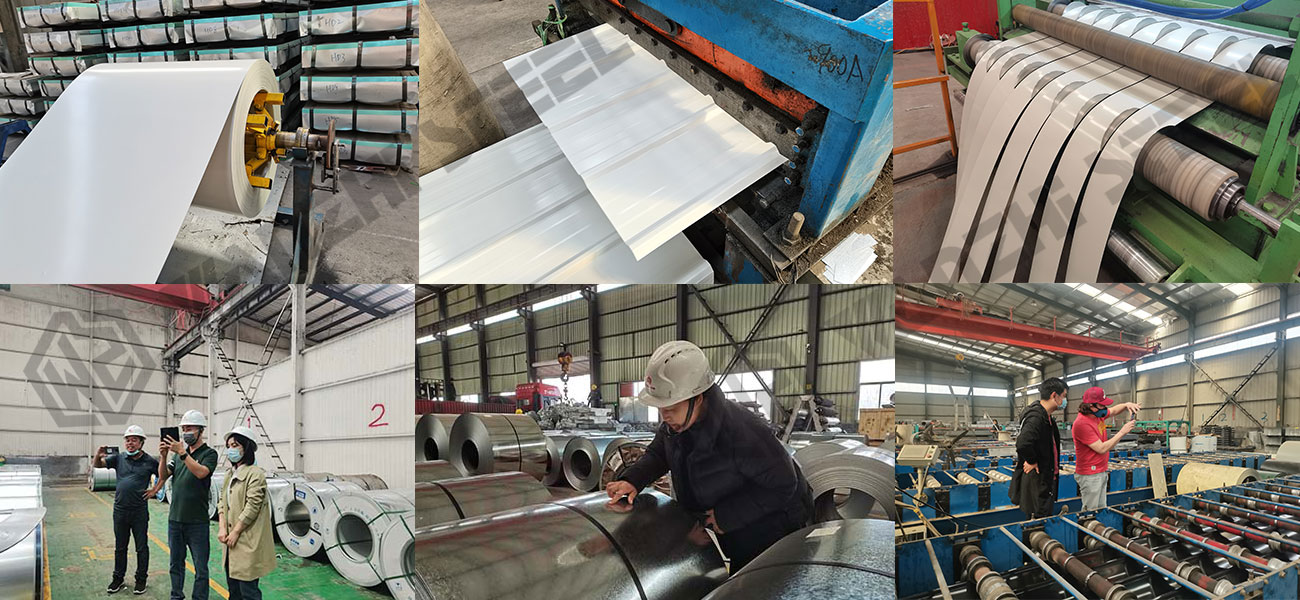
The image shows people preparing a coil so it can be protected. In a mixed service center, the approved surface protection and contact material must be visible in the order rule, not decided separately by each shift.
Build in Stages
Many service centers can start by cleaning up product data and packaging rules, then stabilizing one station and its material and label flow. Transfer, buffer, or wider integration follows only when the first scope produces evidence that the next constraint is real.
Each stage needs its own scope, interfaces changed, manual fallback, acceptance evidence, training, and support owner.
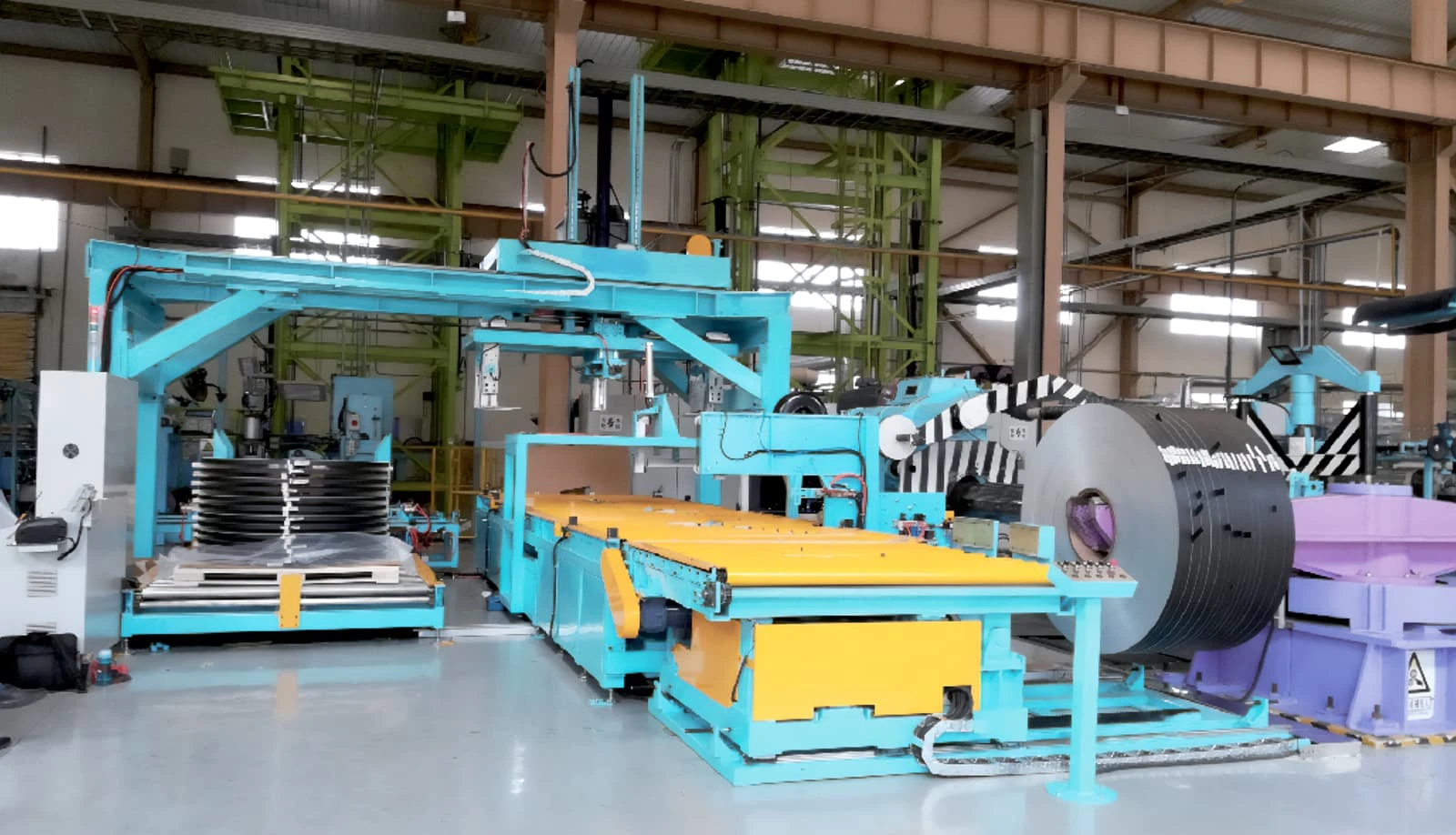
The image shows a steel coil packing factory context. A staged rollout keeps the first investment aligned with the measured constraint and leaves room to add transfer or integration after evidence.
A Practical Next Step
Bring operations, quality, commercial, maintenance, and IT together for a short review of current orders and exceptions. Leave with three outputs: a product-family list, an order-to-shipment flow map, and one measured constraint worth testing first.
Keep the same outputs visible for the automatic coil packing line scope so the next stage can be tested against real evidence.
Watch a slitting coil packing line in operation:

Visual Details

Click to enlarge
Click to enlarge
Click to enlarge
Click to enlarge
Watch How It Works
Discover how our automated packaging solutions optimize your production line efficiency. This video demonstrates the seamless operation designed for maximum protection.
Trusted by Steel Mills & Industry Leaders
Global manufacturers rely on FHOPE heavy duty packaging equipment


Ready to optimize your packaging line?
Get a custom quote with ROI analysis. Our engineers respond within 24 hours.
- Free layout design
- Global installation support
- 2-year warranty included
Your information is secure and will never be shared.
Related Machines
Steel Coil Packaging line
View Details →
Vertical coil packaging line
View Details →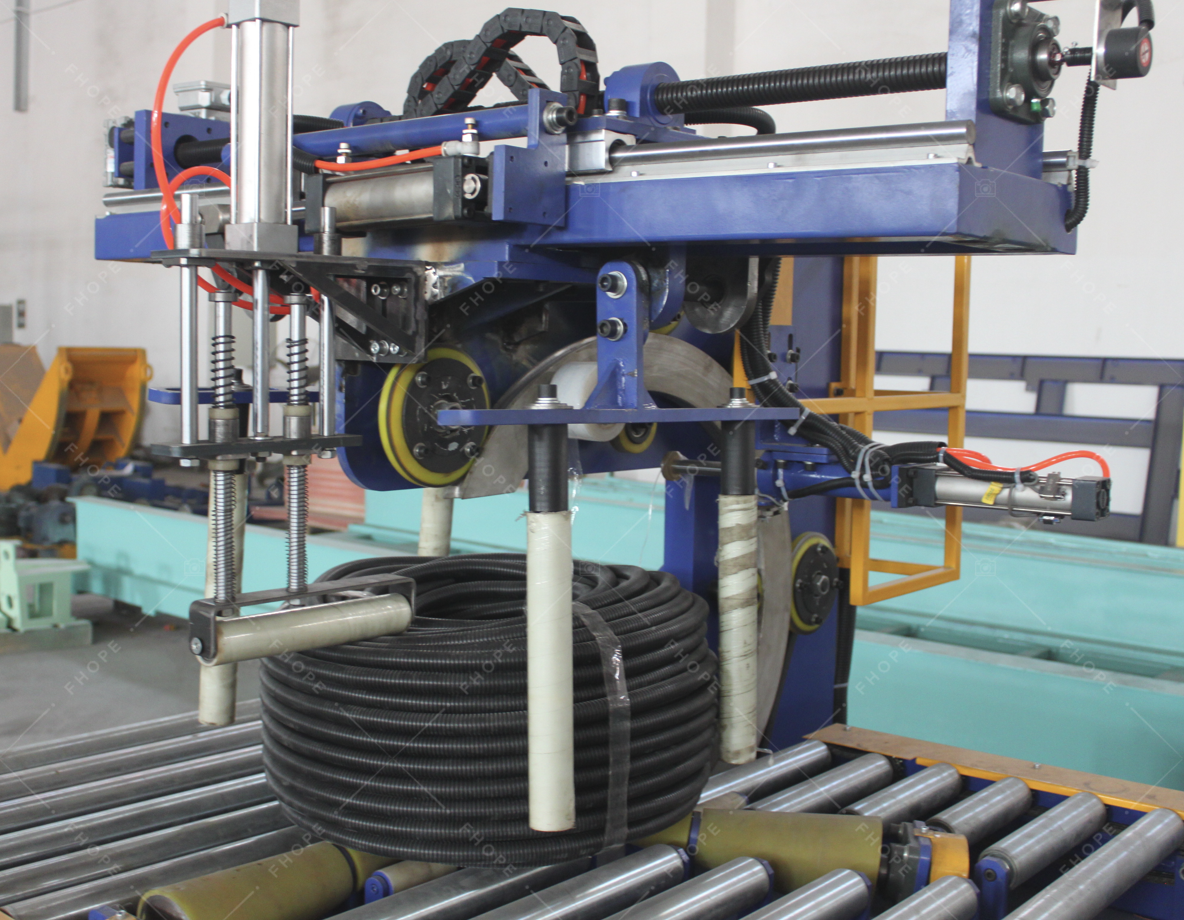
Hose Coil Packaging line
View Details →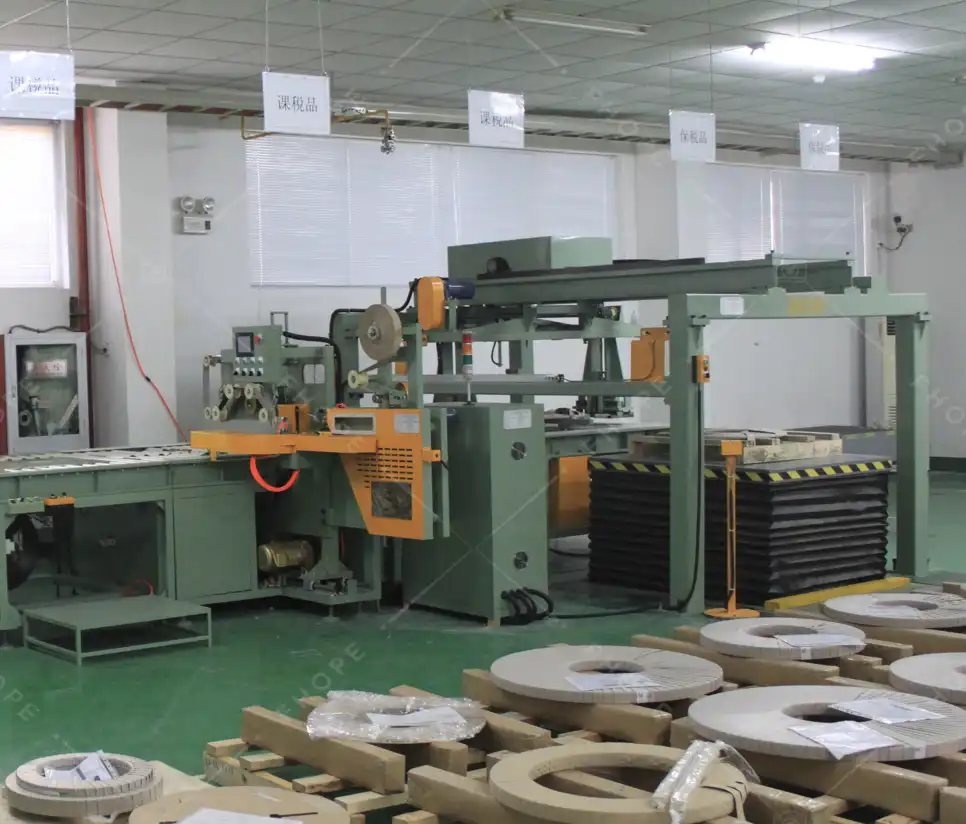
Copper Coil Packaging line
View Details →
Wire Coil Packaging line
View Details →
Panel Packaging line
View Details →
Pipe Bagging Machine
View Details →
Aluminum profile packing line
View Details →
FHOPE Automatic pipe tube bundling&strapping line
View Details →
Automatic pipe tube bundling & strapping line
View Details →
Automatic steel tube strapping machine
View Details →
FHOPE Automatic steel tube packing machine
View Details →
Automatic plastic Pipe strapping packing line
View Details →
Automatic PPR/PVC Pipe bagging line
View Details →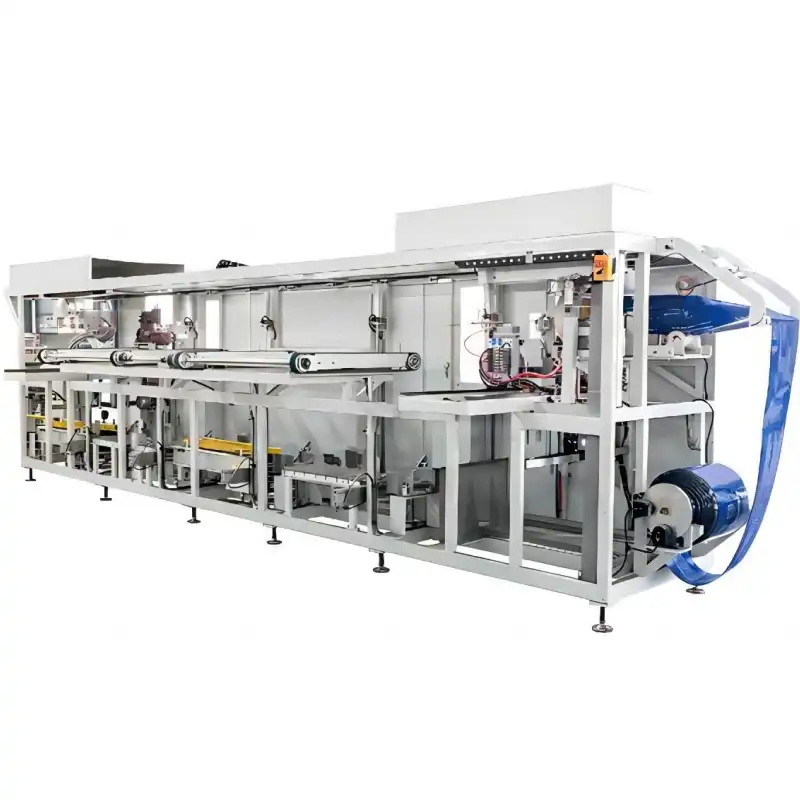
Platsic pipe bag packing machine
View Details →
Tyre Packing Machine FPT-200
View Details →
Tyre Packing Machine FPT-300
View Details →
Tyre Packing Machine FPT-400
View Details →
Cable Coil Packing Machine-FPCA100
View Details →